Filling Automation
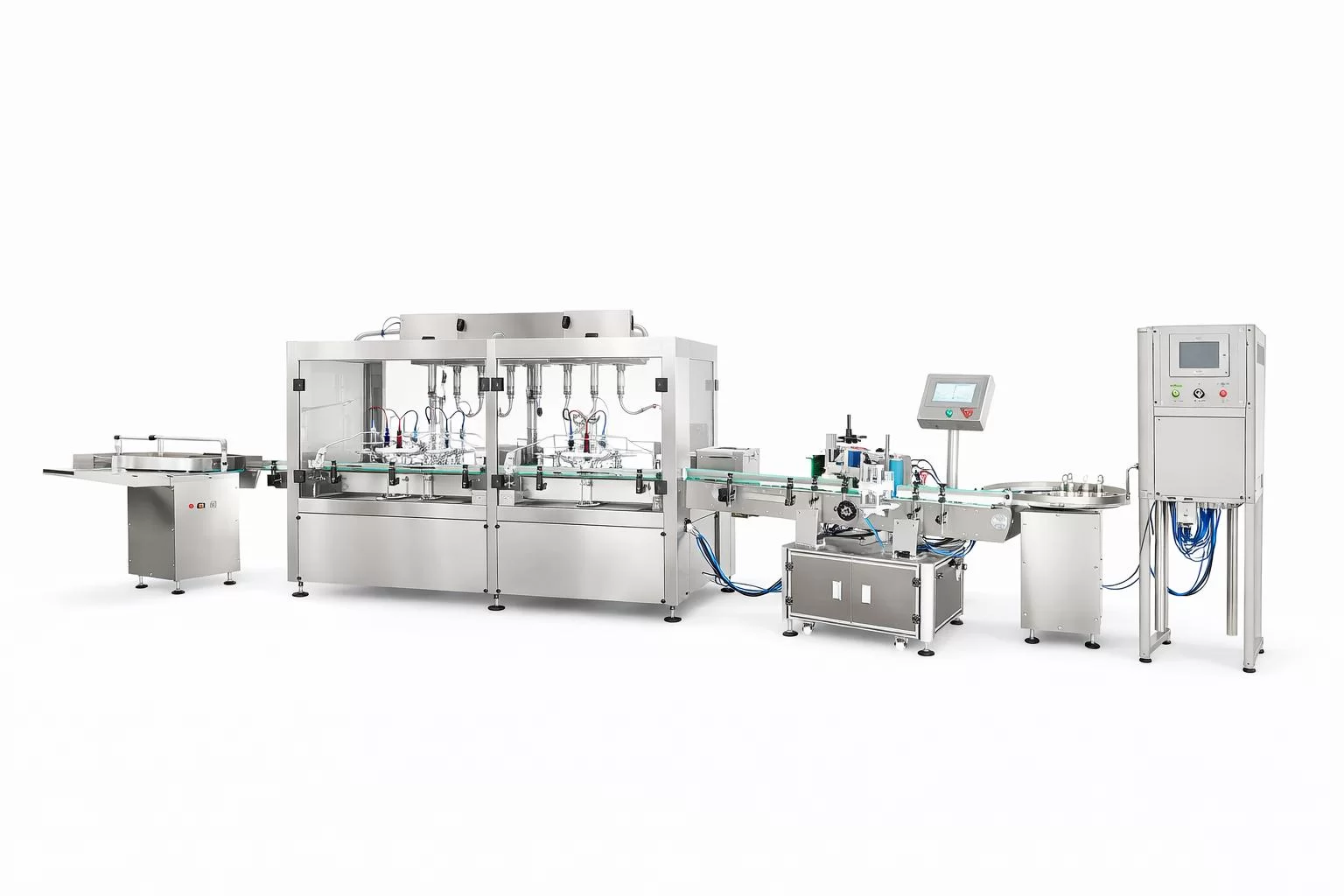
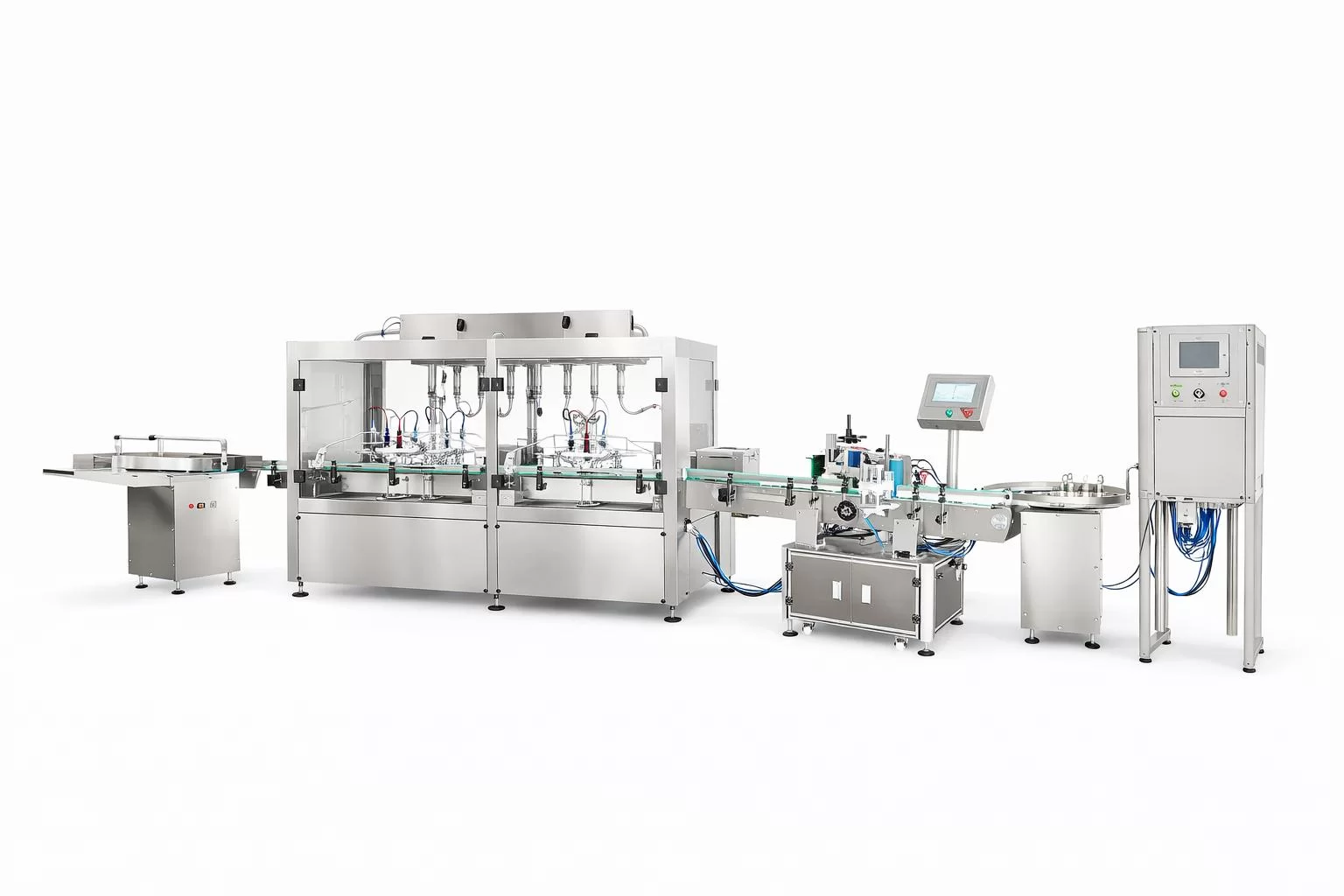
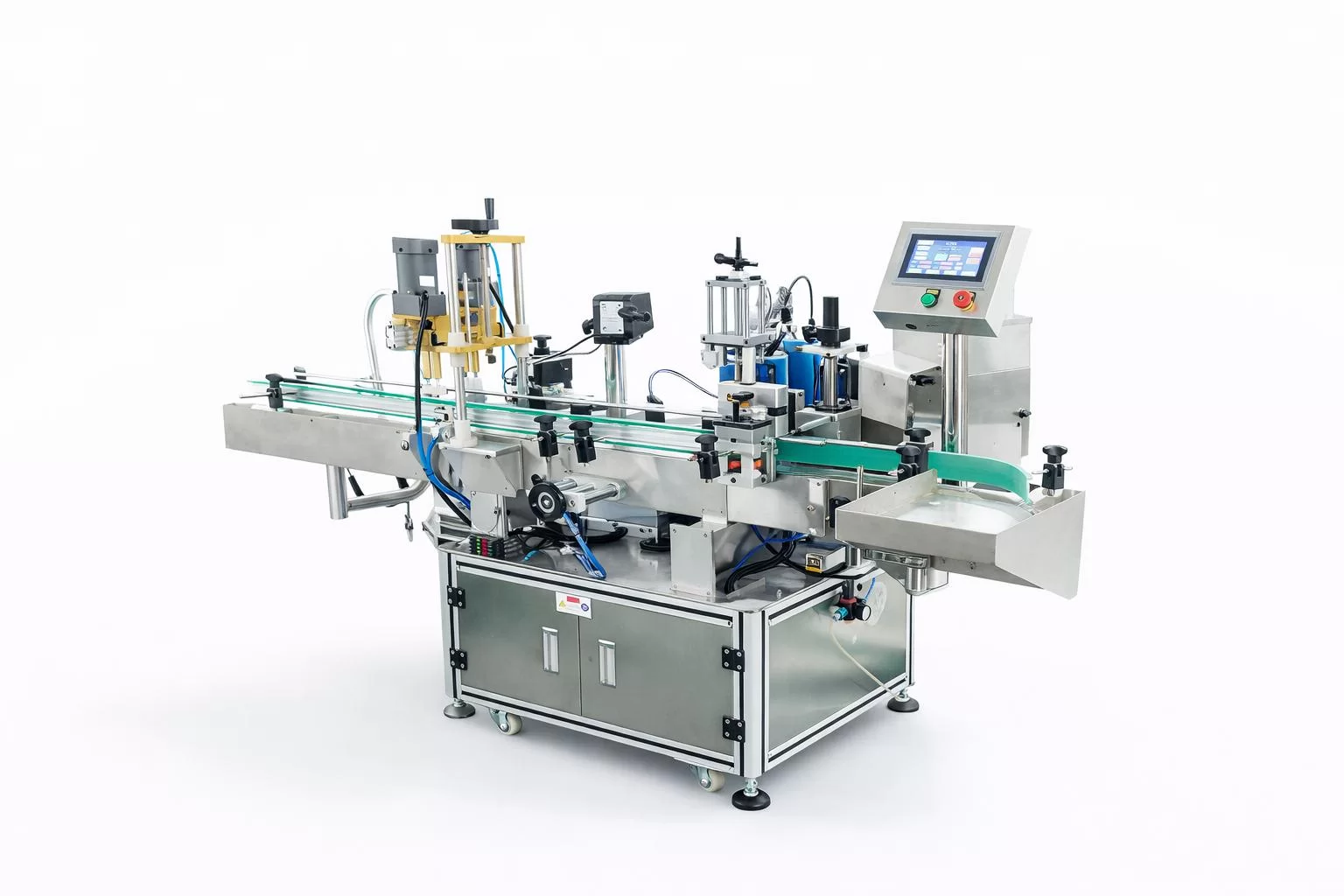
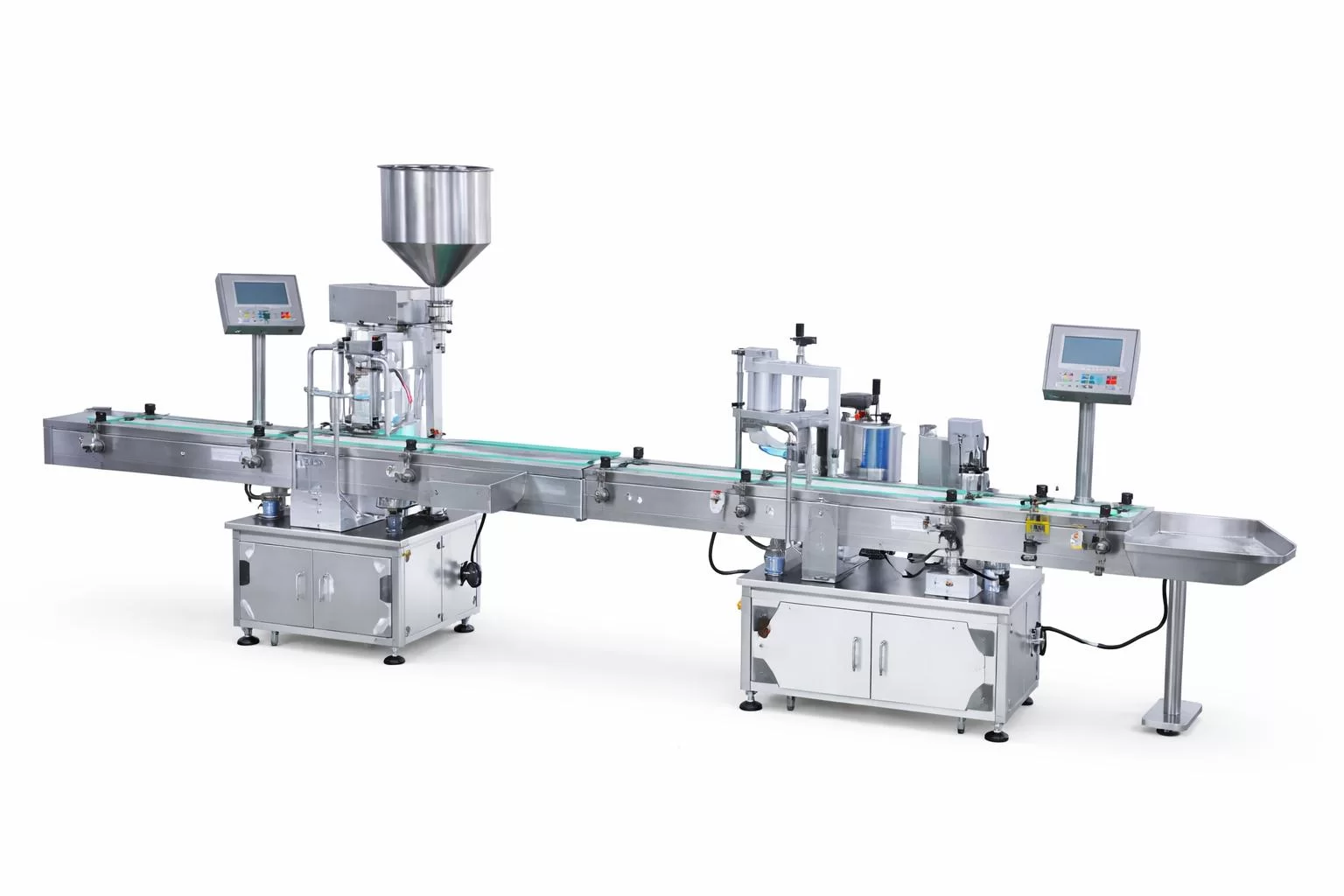
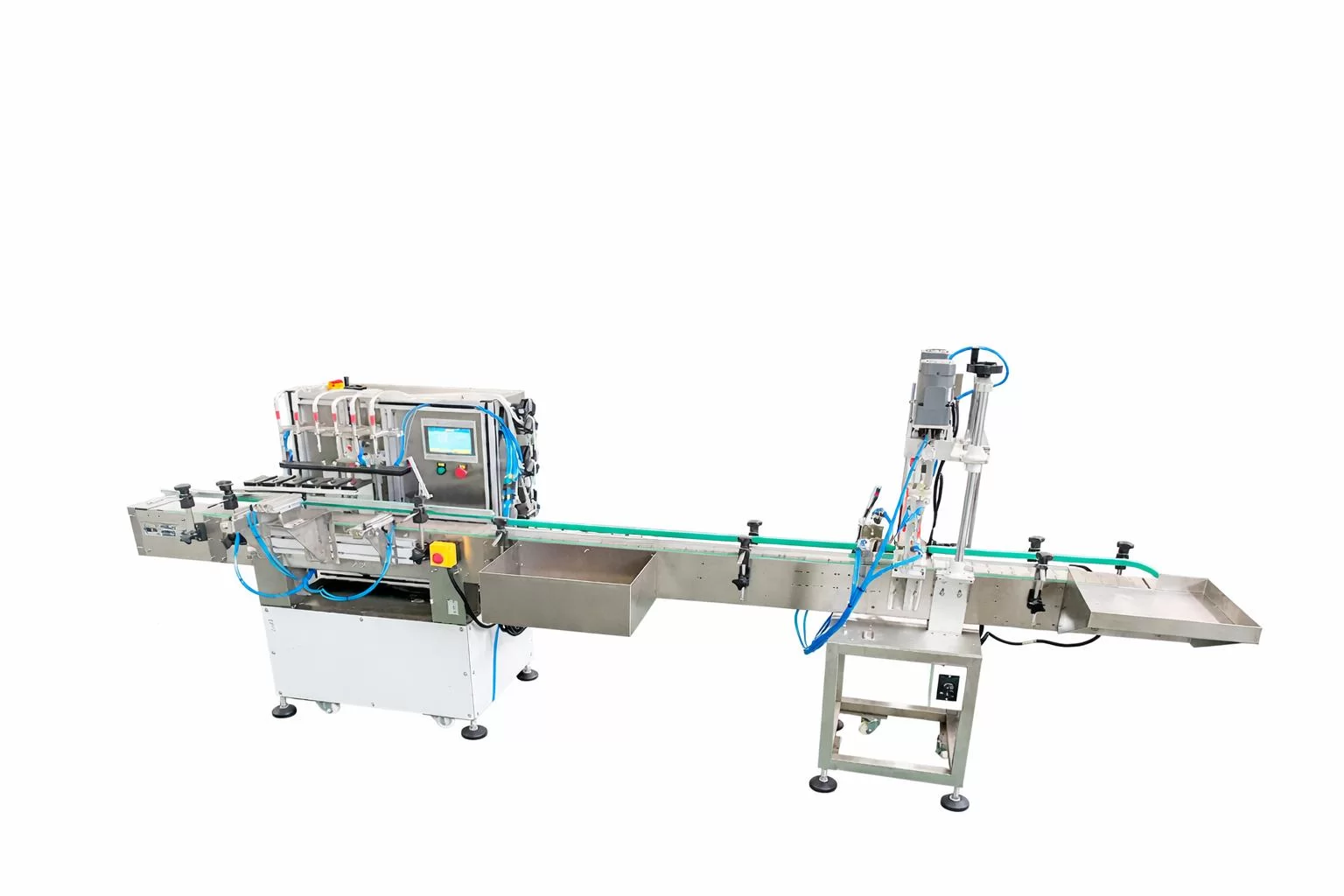
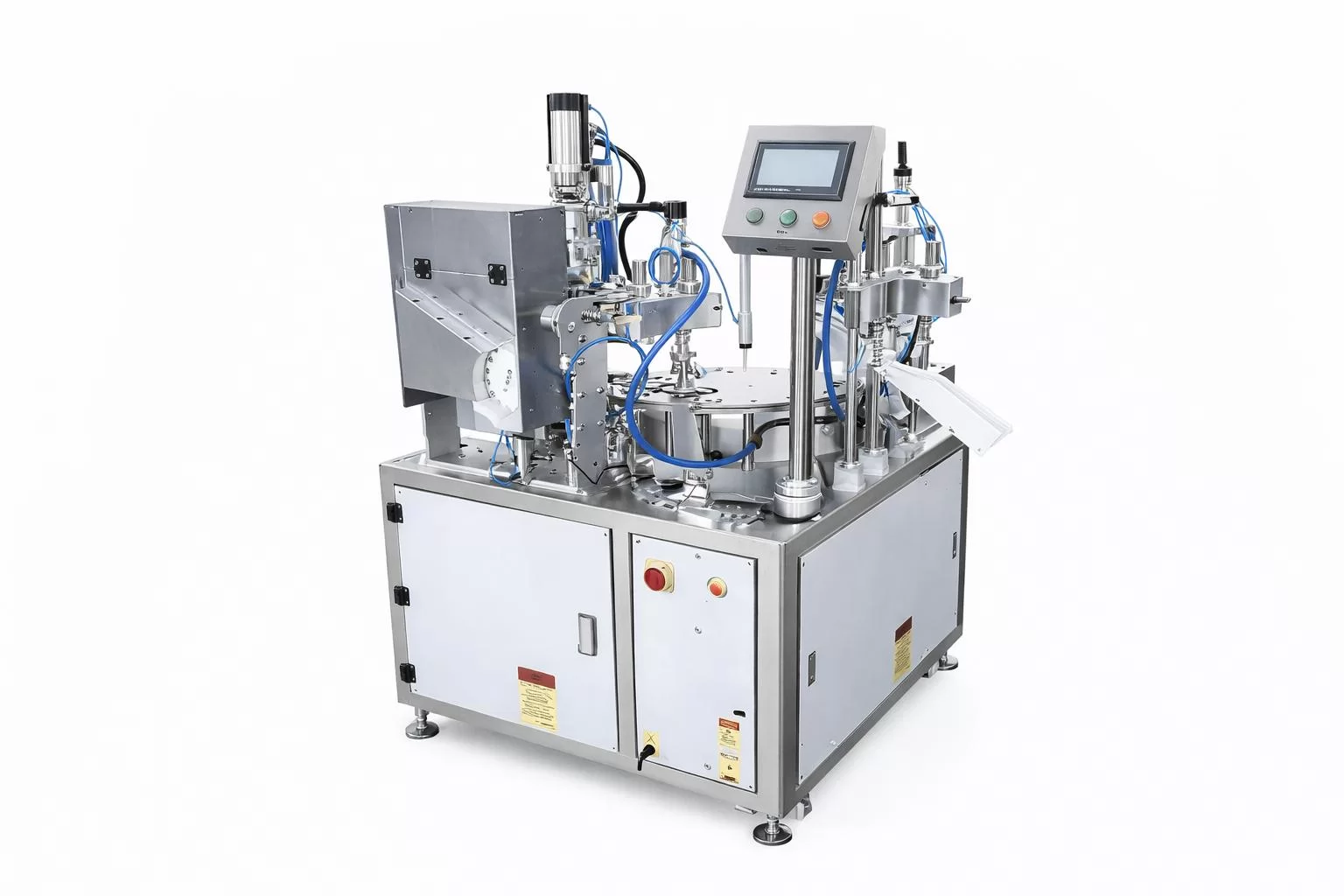
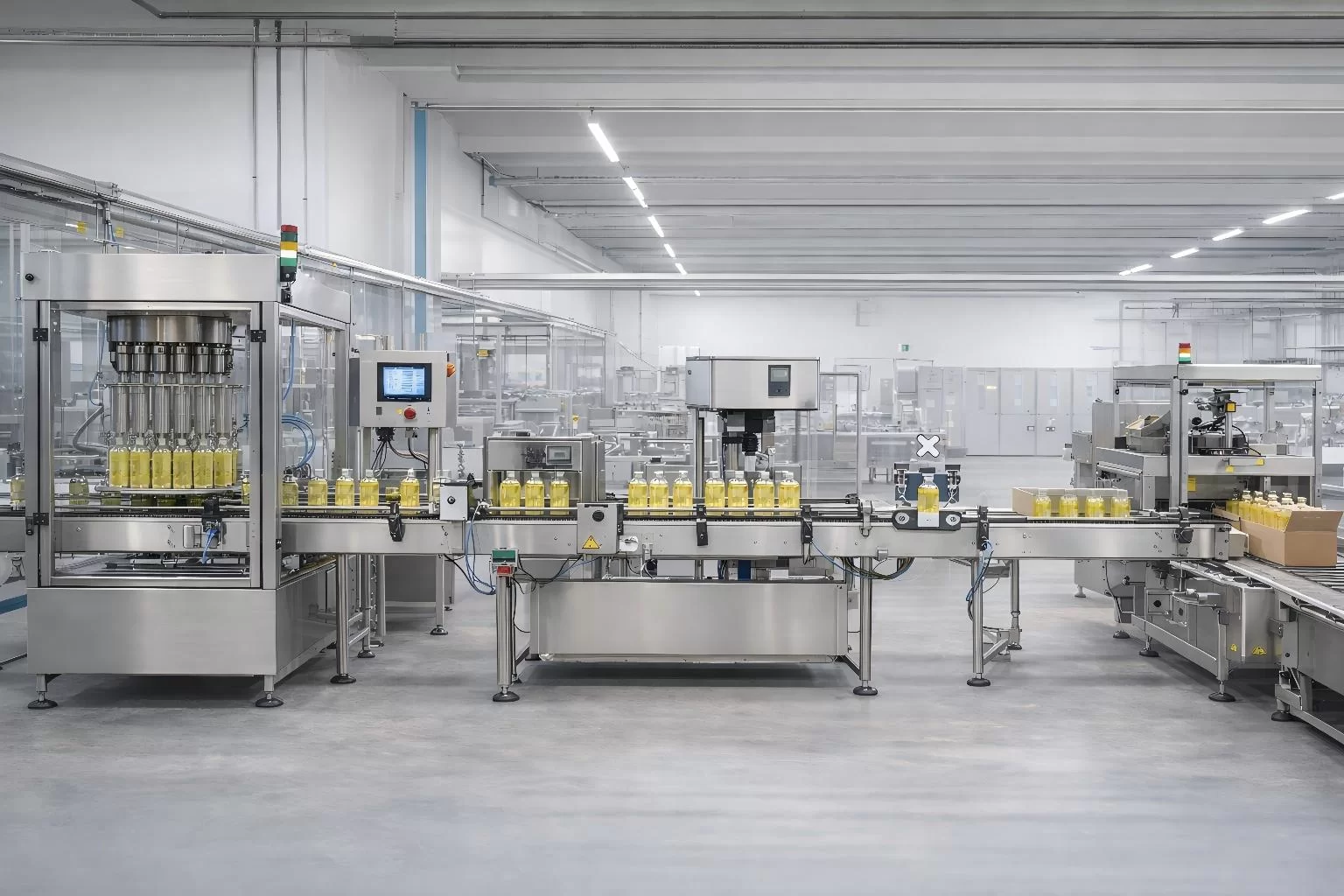
Filling automation is engineered around product behavior—flow, foaming, viscosity, and contamination sensitivity—while maintaining stable dosing accuracy and clean line design. We deliver modular configurations that scale across container formats and production speeds, with integration readiness for capping, sealing, conveying, and downstream packaging control.
Beverage Filling
Beverage filling demands high-speed stability with strict hygiene control. Configurations are selected based on foaming and carbonation behavior, supporting consistent fill levels while protecting product integrity. Line design prioritizes smooth container handling and clean, serviceable structures to maintain uptime across bottles and cans with frequent format changes.
Foam-sensitive filling stability and clean changeover logic
CBottle/can format flexibility with reliable infeed and outfeed control
Hygiene-oriented design for washdown and maintenance efficiency
Integration readiness for rinsing and capping
Oil & Liquid Filling
Oil and liquid filling focuses on clean flow control and spill prevention. Systems are designed to keep container finishes clean, reduce product loss, and maintain consistent dosing across viscosity ranges. Flexible setups support small bottles through jerrycans, with stable conveying and container control that remains reliable during long production runs.
Anti-drip design and clean-neck handling
Broad container compatibility from bottles to jerrycans
Stable dosing repeatability for extended runtime
Service-friendly construction for maintenance
Paste (Viscous) Filling
Viscous and paste products require repeatable dosing under changing flow conditions. Filling architecture emphasizes controlled portioning and clean mechanical design to reduce stringing and contamination risk. Modular assemblies support efficient cleaning and fast change parts, enabling frequent SKU switches without sacrificing output consistency.
Repeatable portion control for thick products
Reduced stringing risk through controlled dispensing geometry
Quick-clean design with serviceable assemblies
Format-ready change parts for multi-container production
Food Filling
Food filling automation is defined by hygiene, controlled portioning, and gentle handling. Systems are configured to protect product appearance while maintaining consistent output across diverse pack formats, including trays, jars, and pouches. Design choices prioritize cleanability, stable feeding, and repeatable dosing to support predictable quality.
Hygiene-first design with cleanable structures
Stable portioning for multi-format packaging
Gentle handling to protect product presentation
Fast changeover for high-mix production
Chemical Filling
Chemical filling requires material compatibility, leak prevention, and safe handling logic. Systems are engineered with controlled transfer paths and serviceable structures that reduce exposure risks. Configurations support bottles, cans, and drums while keeping operations stable in harsh environments where reliability and safety discipline are essential.
Leak-prevention design with controlled transfer paths
Material compatibility and serviceable wetted assemblies
Stable container control for bottles, cans, and drums
Safety-oriented layout and maintenance logic
Pharmaceutical Filling
Pharmaceutical filling is engineered around dosing precision, contamination control, and disciplined line layout. Systems support stable container handling and clean mechanical design suitable for regulated production environments. Integration readiness for inspection and traceability interfaces helps reduce compliance risk and strengthens batch accountability.
Precision dosing with clean, controlled handling
Hygiene-driven design suitable for regulated environments
Stable changeover approach for small containers
Interface-ready for inspection and traceability workflows
Powder & Granule Filling
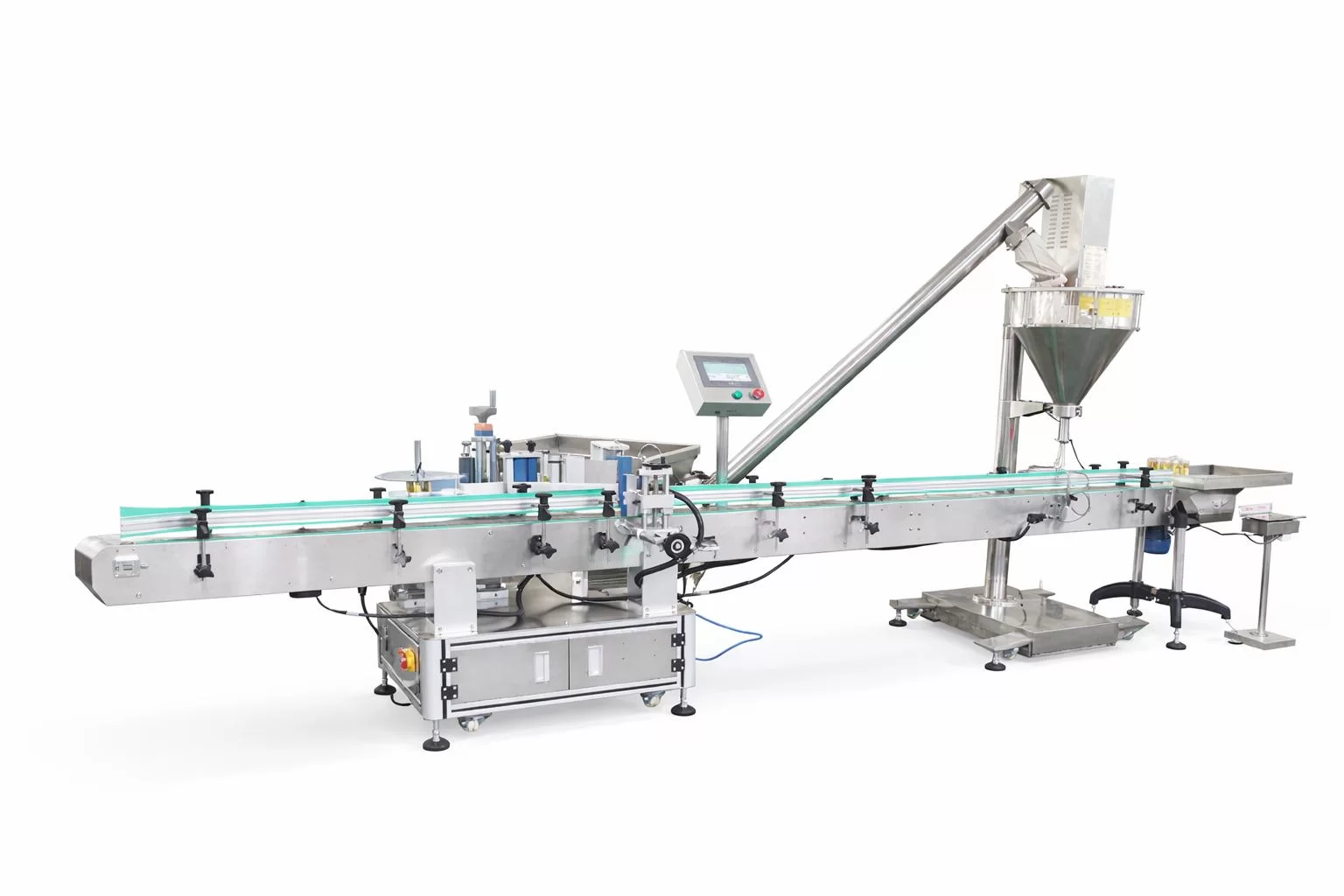
Powder and granule filling prioritizes dosing consistency, dust control, and stable feeding. Systems are configured around auger or weighing-based architectures, with clean mechanical layouts that support sealed transfer and service efficiency. Modular change parts accommodate different densities and flow behavior across jars, cans, and bags.
Consistent dosing with auger or weighing logic
Dust-control oriented structures and sealed transfer
Stable feeding for different material behaviors bags
Modular change parts for jars, cans, and bags
Vision Inspection Systems
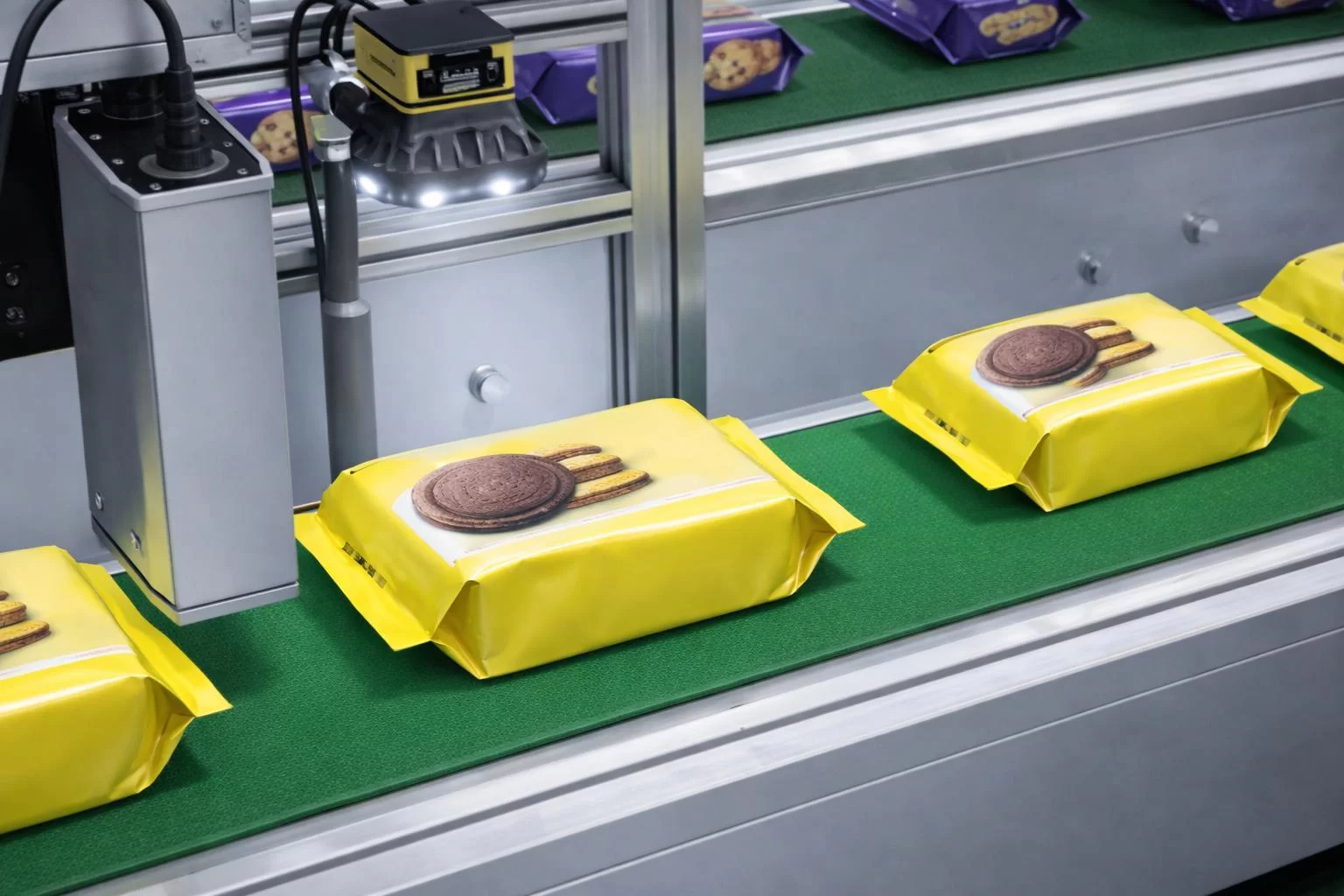
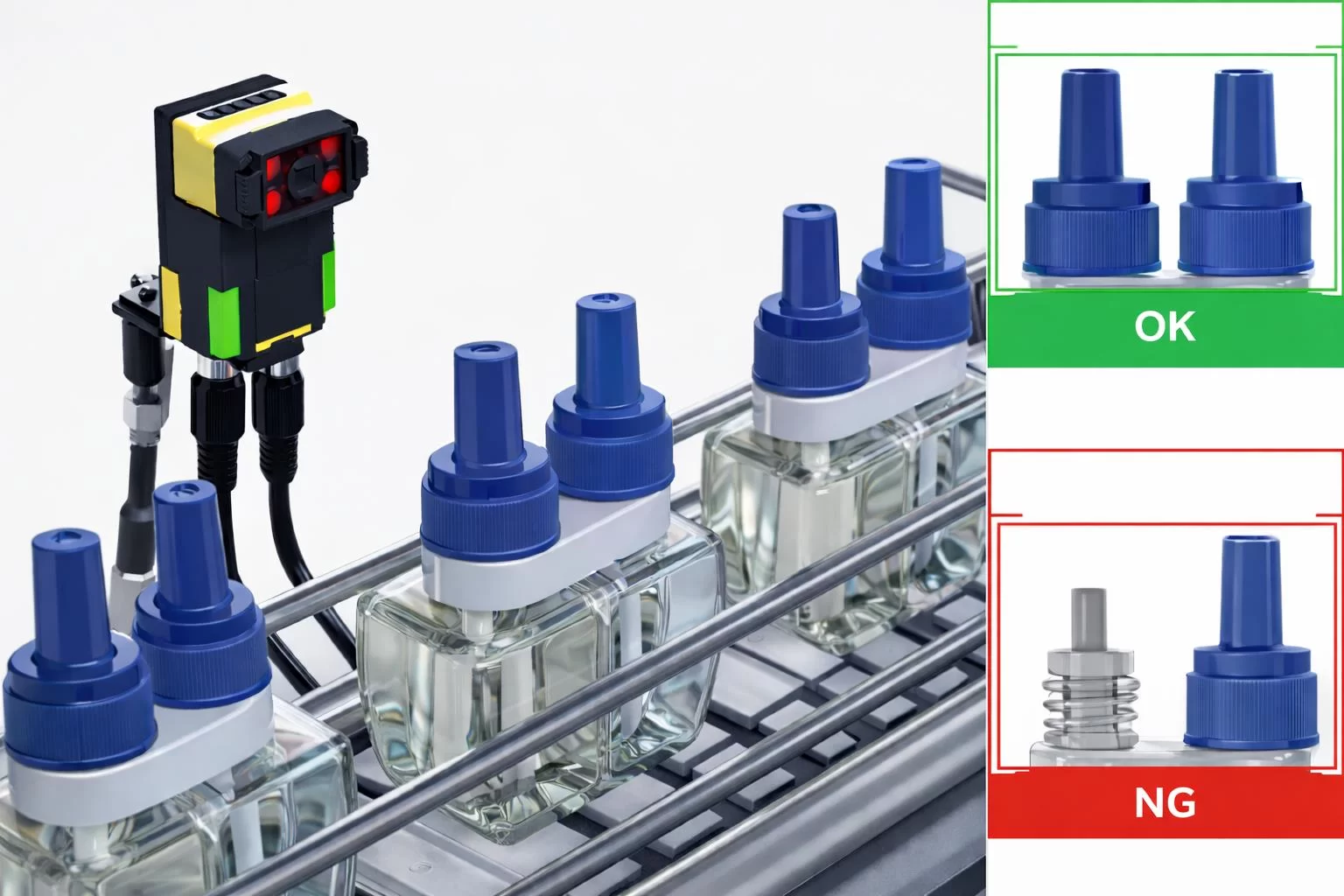
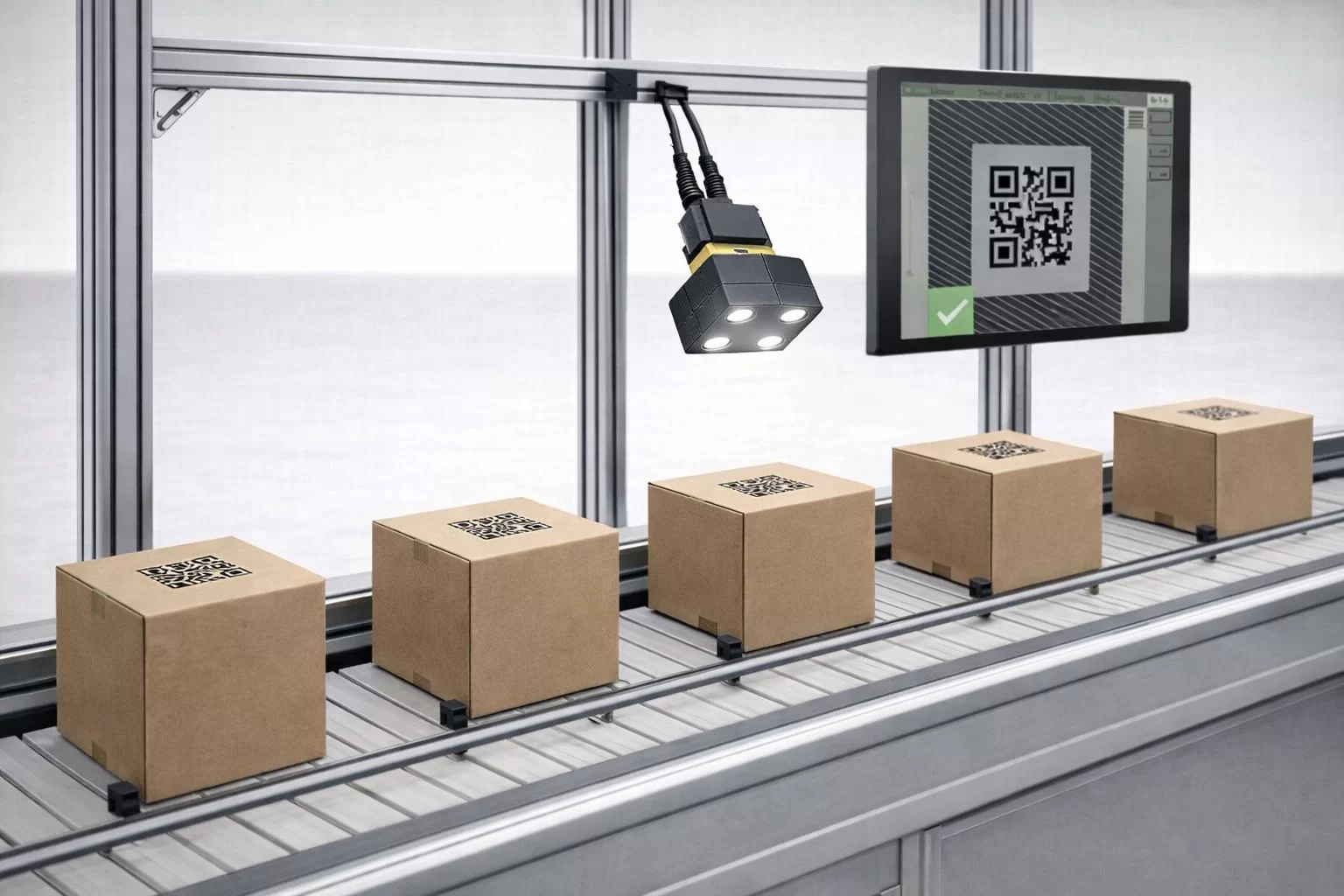
Vision inspection systems are deployed across diverse manufacturing sectors as integral components of automated production and packaging lines. Integrated with coding, marking, conveying, and reject mechanisms, these systems enable precise verification of printed information, product integrity, and process consistency under continuous industrial operation.
System configurations are adapted according to industry-specific materials, surface characteristics, production speeds, and regulatory requirements, supporting scalable and reliable automation architectures.
Food & Beverage Packaging
Bottles, cans, pouches, trays, cartons
In food and beverage environments, vision inspection systems are installed downstream of coding, sealing, or labeling processes to verify date codes, batch information, and label presence during high-speed operation. Integrated inspection supports food safety compliance, traceability, and stable packaging line performance.
Pharmaceutical & Medical Products
Blister packs, vials, bottles, cartons, medical devices
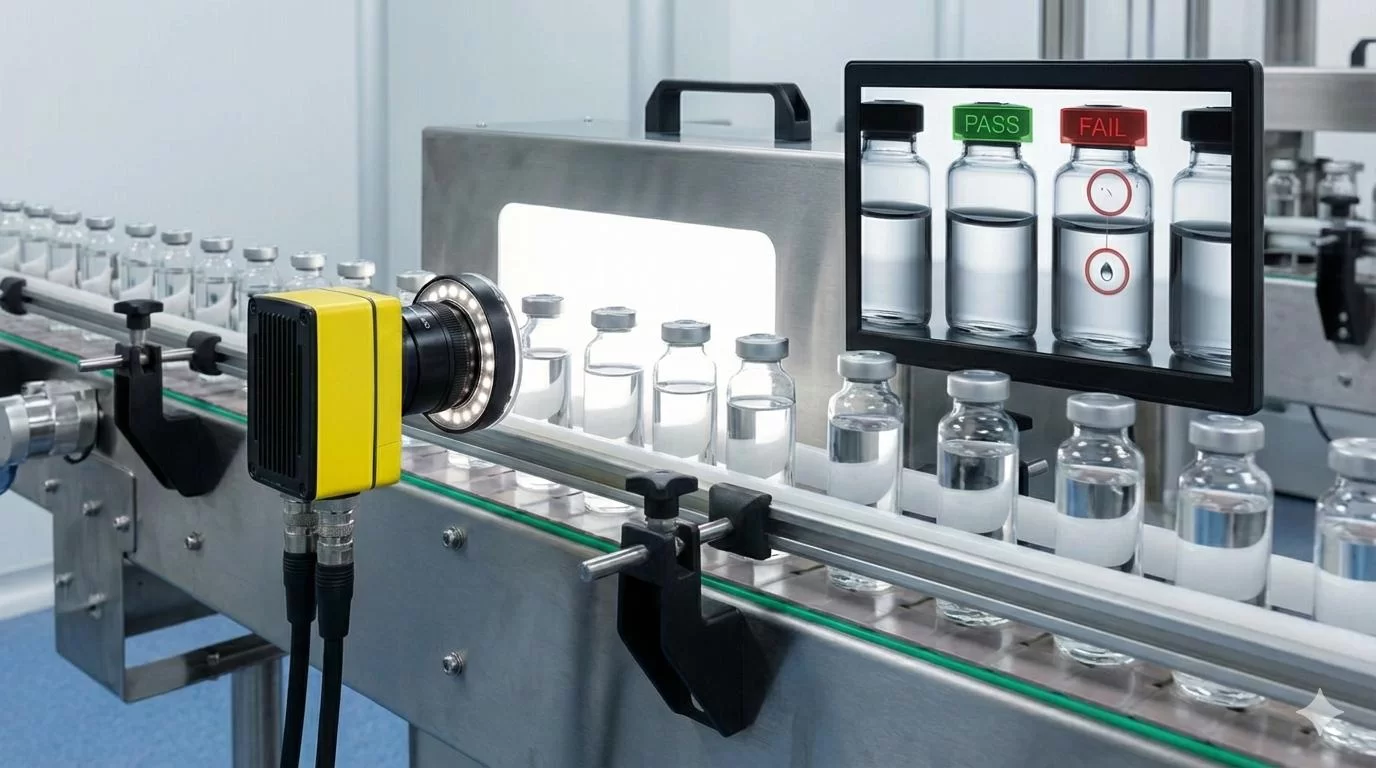
Vision inspection systems function as controlled verification points within regulated production workflows. Solutions are configured to ensure variable data accuracy, label correctness, and packaging consistency, while supporting higher precision standards and serialization requirements.
Personal Care & Cosmetics
Bottles, jars, tubes
In appearance-sensitive applications, vision inspection systems verify print position, code legibility, and label alignment. Inline inspection ensures functional accuracy while maintaining consistent visual presentation across premium consumer products.
Electronics & Electrical Manufacturing
PCBs, cables, connectors, housings
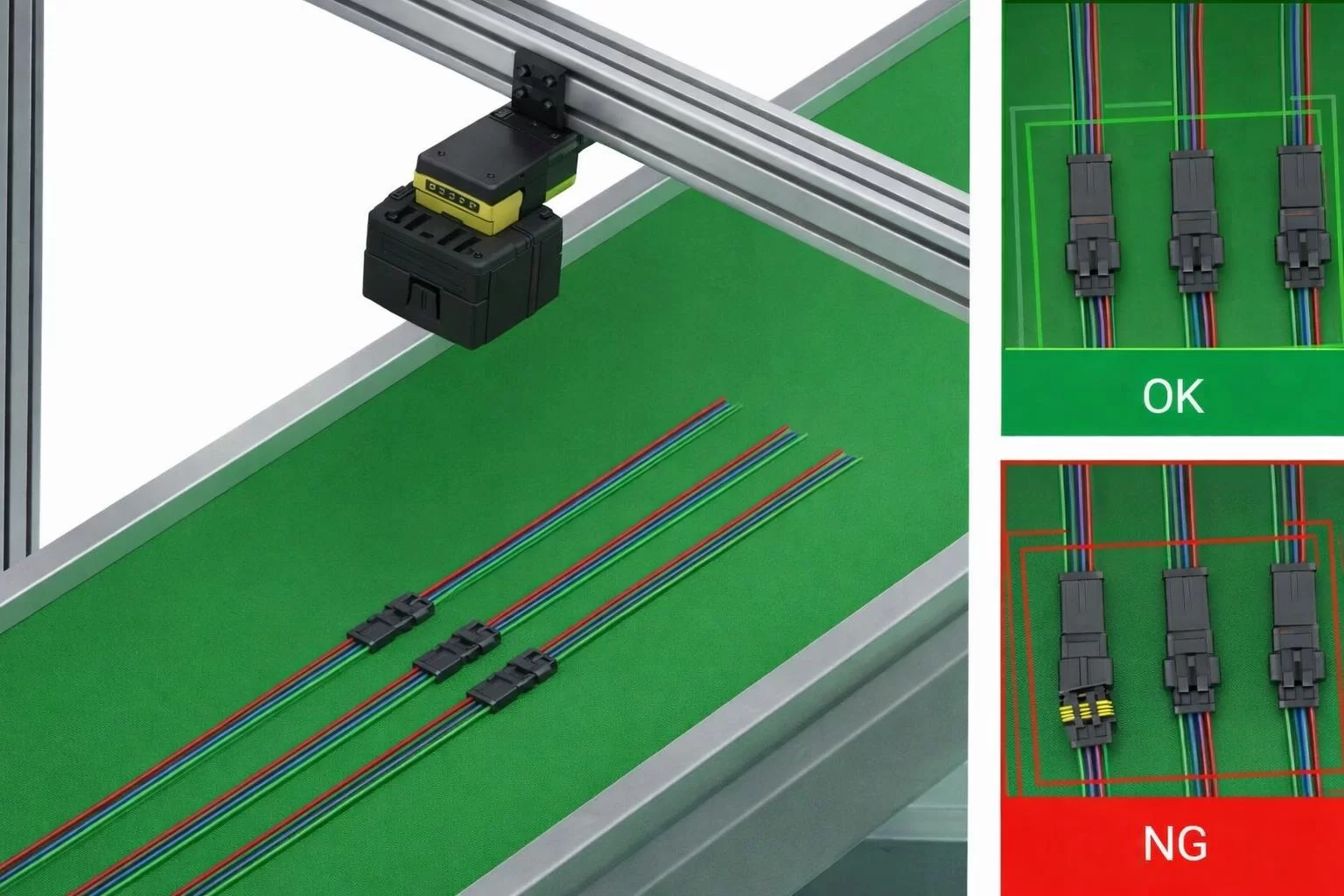
Vision inspection systems are widely used in electronics manufacturing to verify printed codes, component presence, orientation, and assembly accuracy. Integrated solutions support high-precision inspection and seamless connection with automated marking and assembly processes.
Automotive & Aerospace Manufacturing
Metal parts, plastic components, assemblies
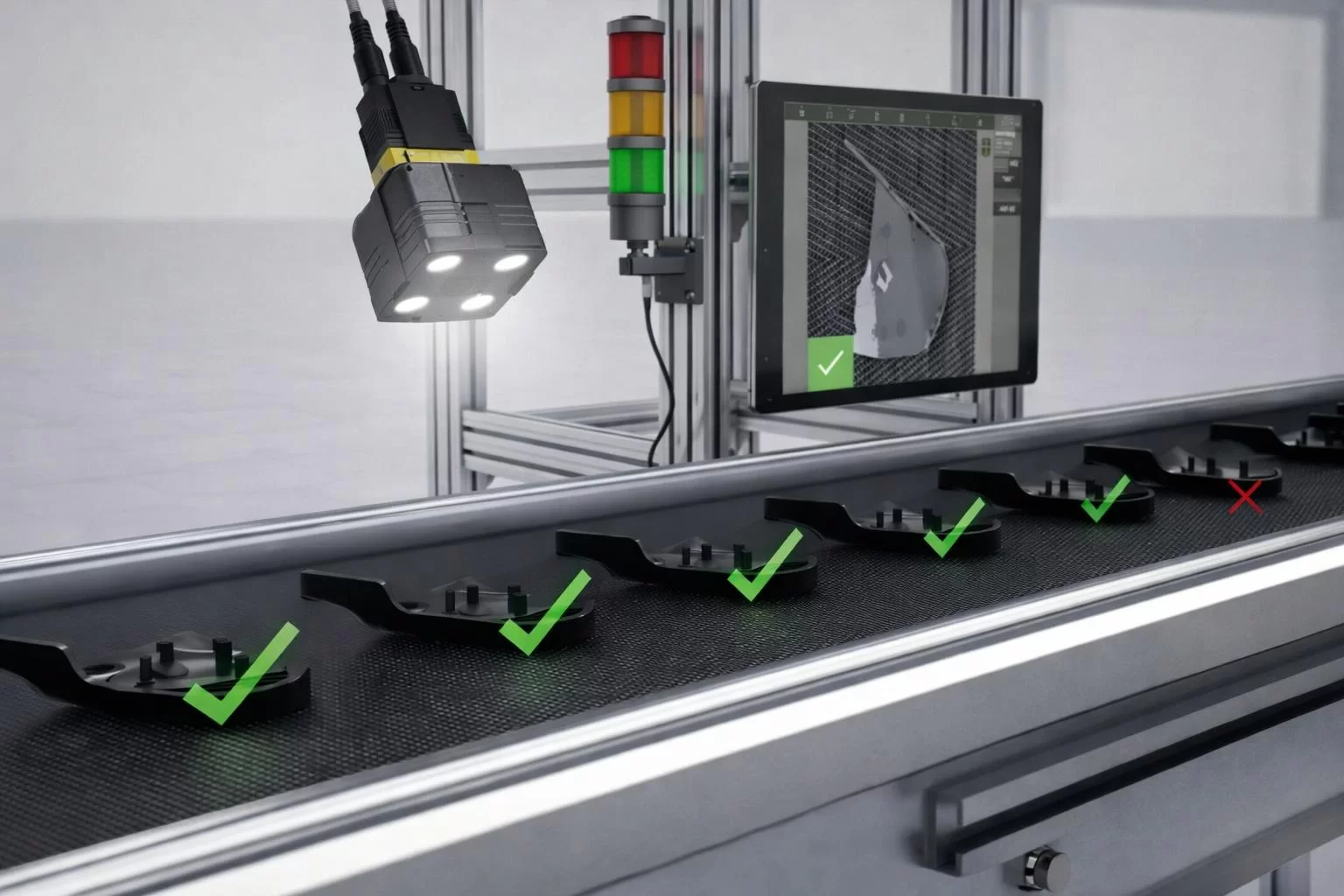
In automotive and aerospace applications, vision inspection systems are deployed for part identification, code verification, and assembly validation. Integrated inspection supports strict quality standards, process control, and full lifecycle traceability.
Chemical & Industrial Products
Containers, drums, cartons
For chemical and industrial manufacturing, vision inspection systems are applied to verify printed identification, warning information, and traceability codes on rigid or irregular surfaces. Systems are engineered for reliable operation in demanding environments and long-term production cycles.
Logistics, Warehousing & Distribution
Cartons, pallets, shipping labels
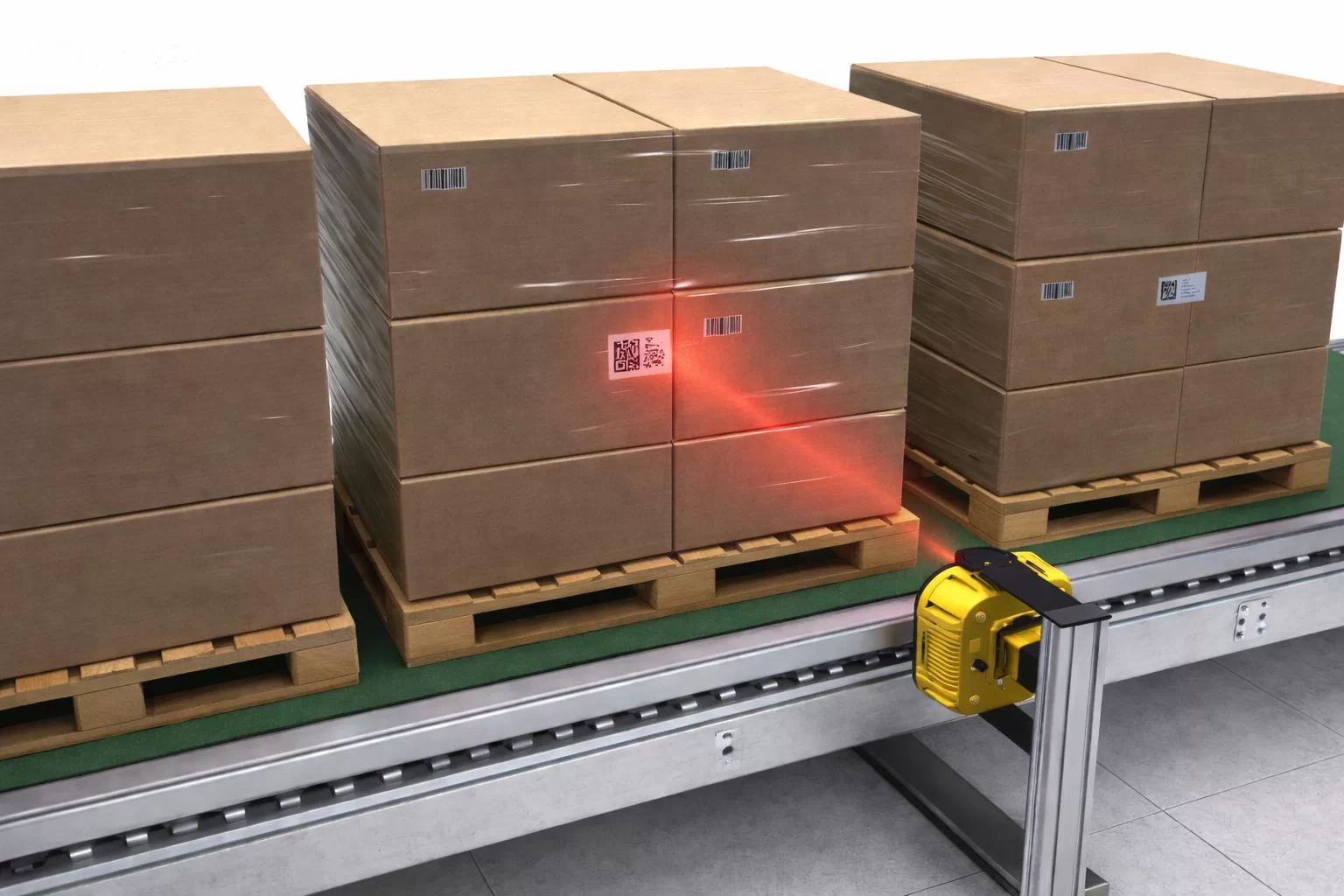
Vision inspection systems are applied in logistics and distribution environments to verify barcodes, labels, and routing information. Integrated inspection improves sorting accuracy, enhances traceability, and reduces handling errors across automated material flow systems.
Integrated Automation Architecture
All vision inspection solutions are engineered as modular elements within automated systems, enabling synchronized operation with marking equipment, conveyors, control platforms, and reject devices. This architecture supports flexible deployment across industries, production formats, and operational requirements.