Hit enter to search or ESC to close
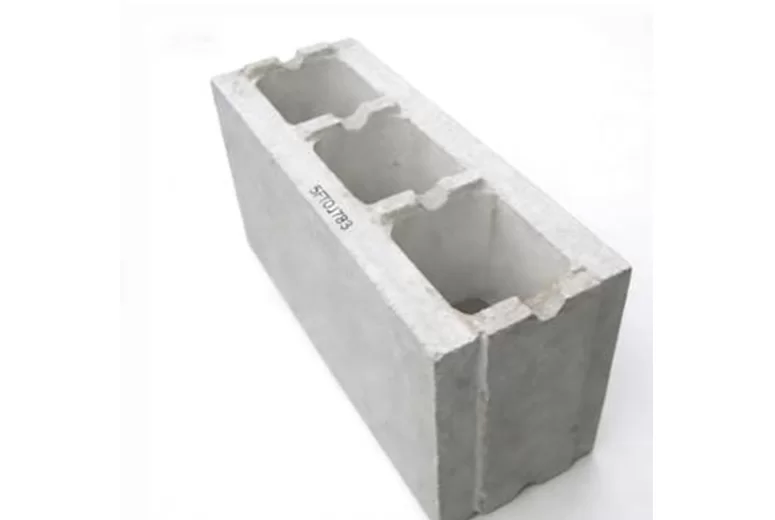
Construction materials packaging, including cement bags, gypsum boards, metal pipes, plastic panels, and bulk containers, presents specific coding challenges due to heavy-duty and rough surfaces. Porous, textured, or powder-coated materials can reduce ink adhesion and affect print clarity, while irregular shapes or large formats require flexible, precise marking systems.
Marking construction material packaging requires inks and technologies that can withstand rough handling, dust, moisture, and extreme temperatures. Codes need to remain legible during storage, transport, and on-site delivery, even on porous, textured, or powder-coated surfaces. Advanced coding solutions must adapt to diverse packaging sizes and shapes, support integration with bagging, stacking, or conveyor systems, and maintain high reliability to reduce maintenance and ensure clear, durable markings throughout the supply chain.
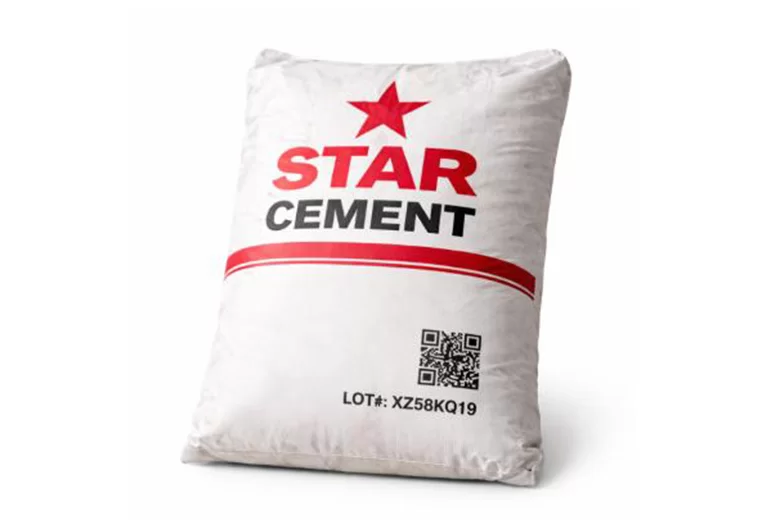
①Cement Bags
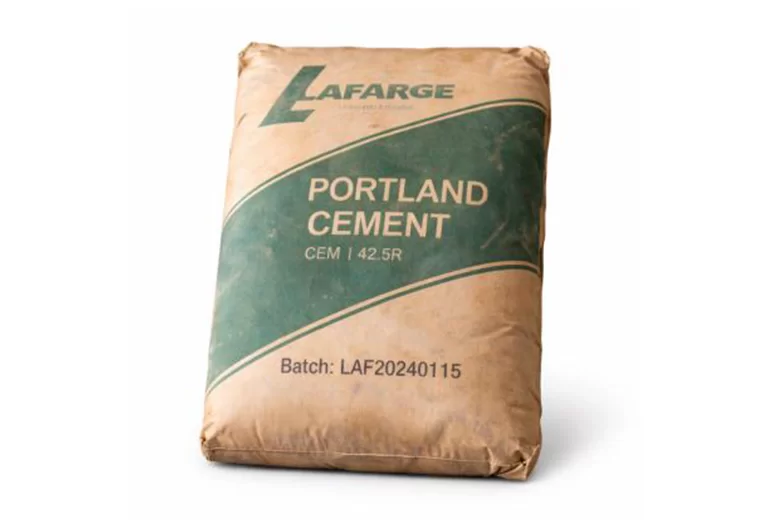
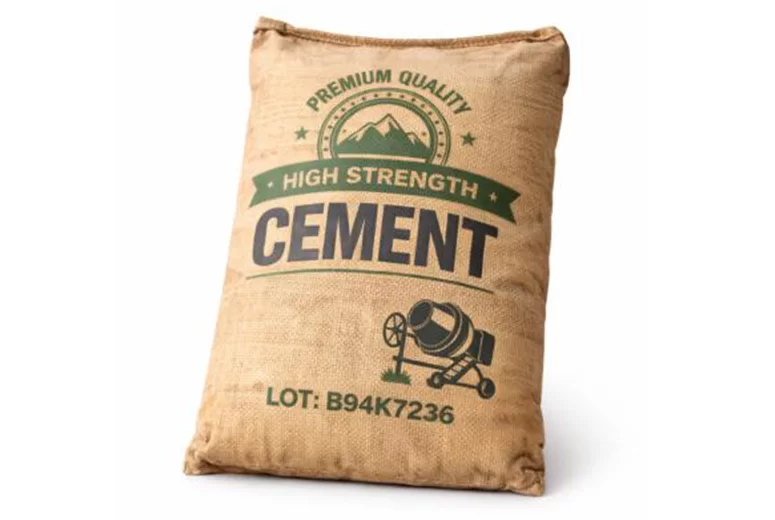
Cement bags are often made of paper or woven polypropylene and have rough, porous surfaces that can make ink adhesion difficult. Codes must remain clear and legible despite dust, abrasion, and handling during storage and transport.
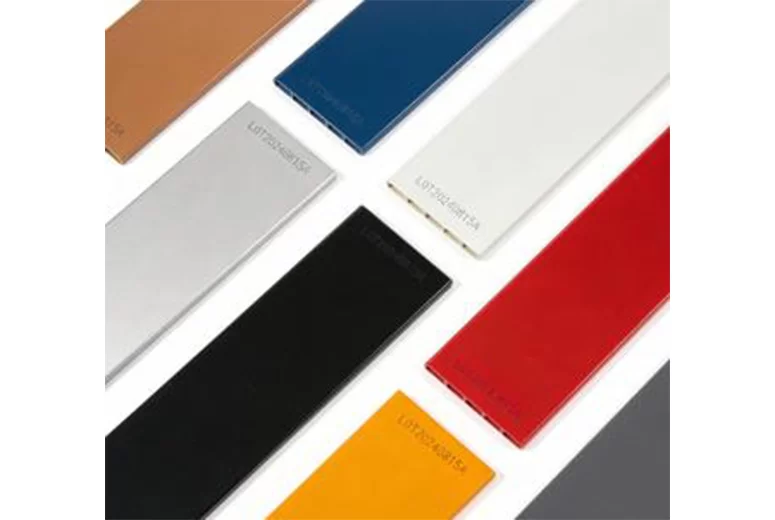
②Rigid Plastic Sheets
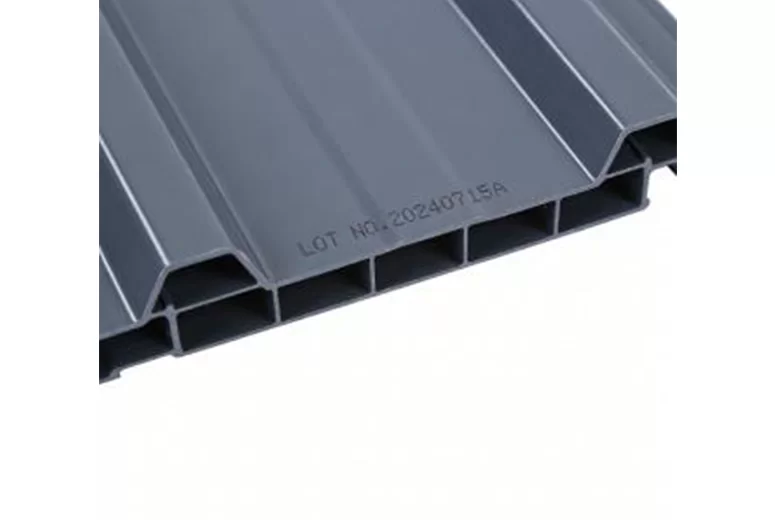
Rigid plastic sheets are widely used in construction, decoration, and furniture industries as wall panels, dividers, and decorative materials. Inkjet printers can clearly print production dates, batch numbers, specifications, and other information on rigid plastic surfaces, ensuring clarity and traceability during production and transportation, meeting the strict quality requirements of building materials.
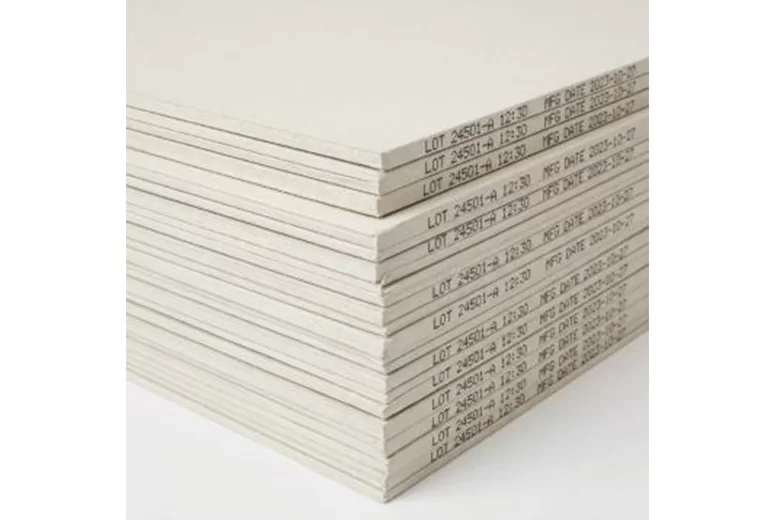
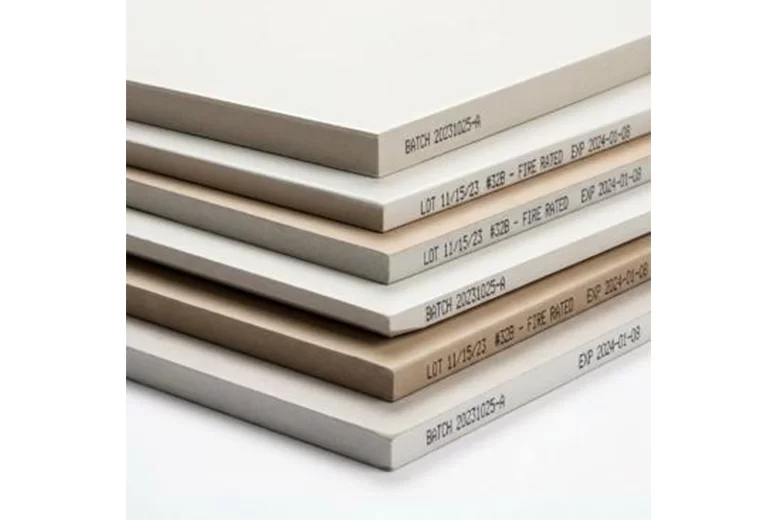
③Gypsum Boards
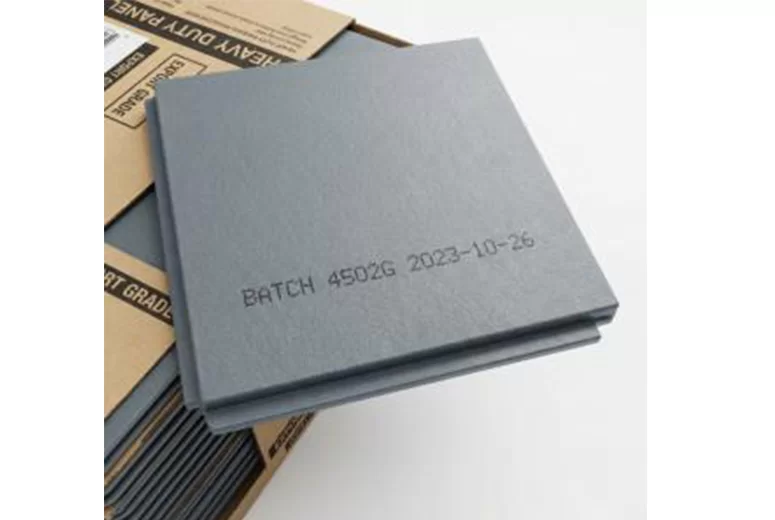
Gypsum boards have large, porous surfaces that can absorb ink unevenly, affecting print clarity. Codes must be durable enough to withstand cutting, handling, and transport. Coding systems should provide high-speed, reliable printing, maintaining legibility throughout processing and supply chain distribution.
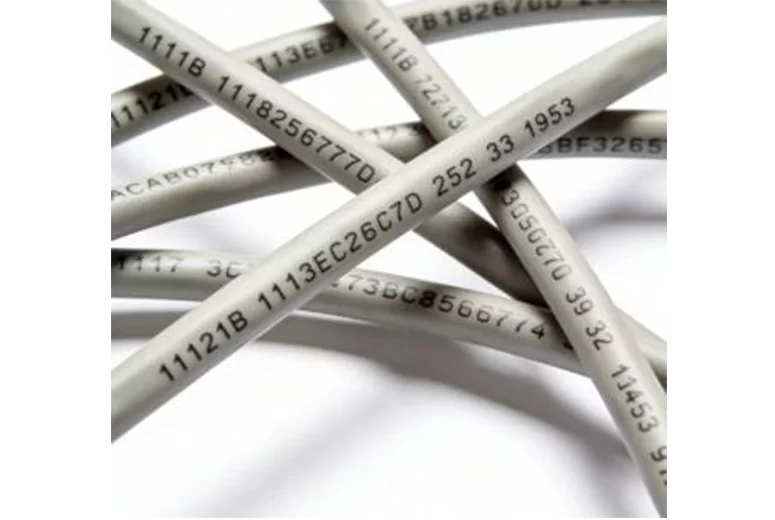
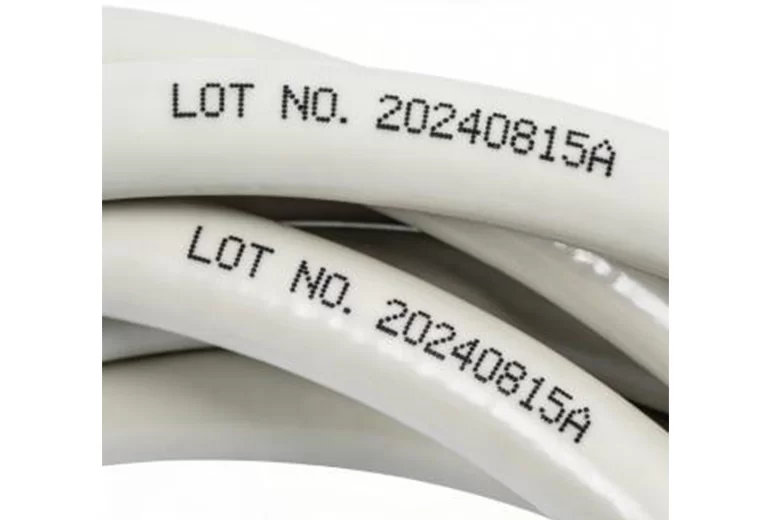
Electric wires often have thin, coated surfaces that challenge adhesion and legibility. Codes must resist abrasion, coiling, and environmental conditions while remaining readable for quality control and traceability. Robust marking solutions ensure continuous, reliable printing on high-speed production lines.
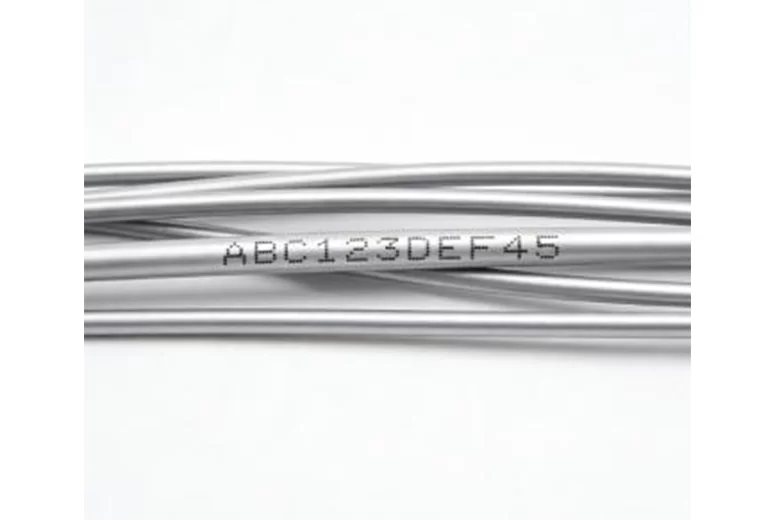
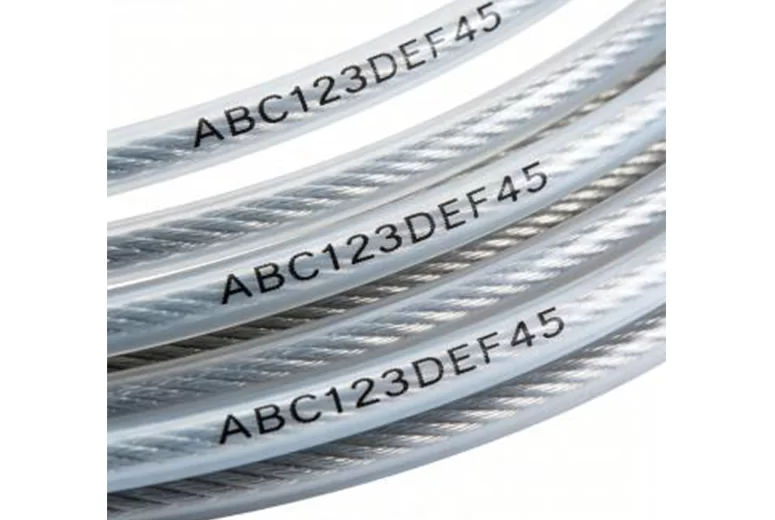
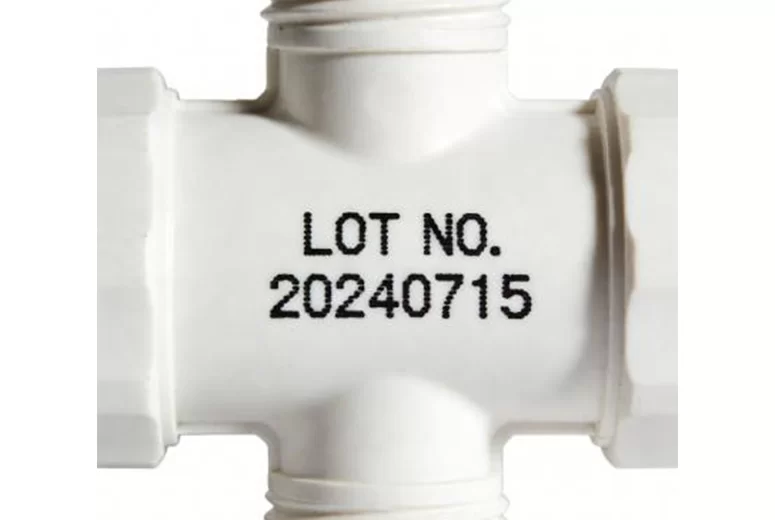
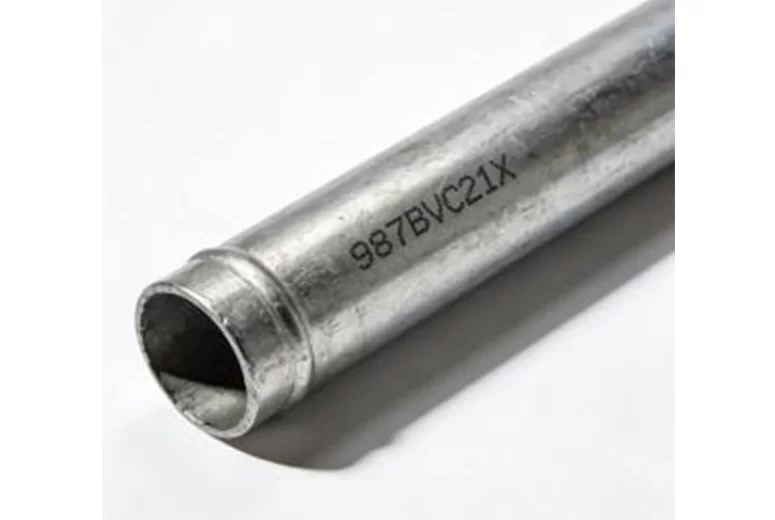
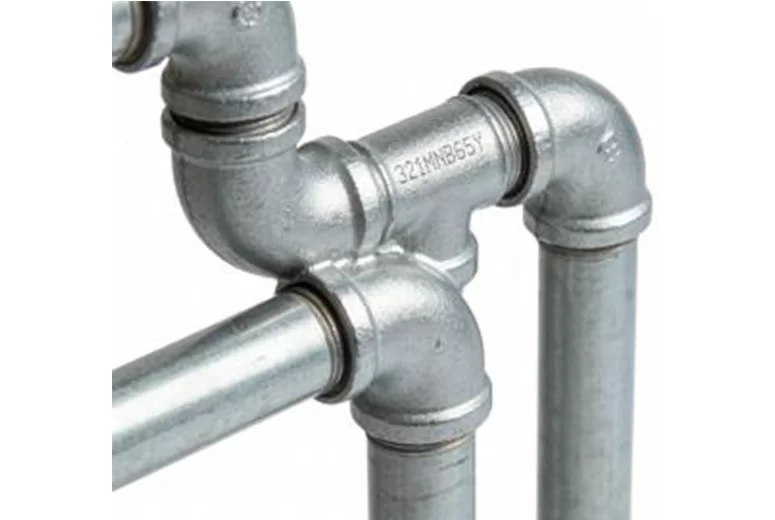
Pipes often feature smooth, metallic, or coated surfaces, making ink adhesion challenging. Codes must remain durable and legible through handling, stacking, and outdoor exposure. Reliable marking solutions ensure batch numbers, production dates, and traceability information are consistently readable.
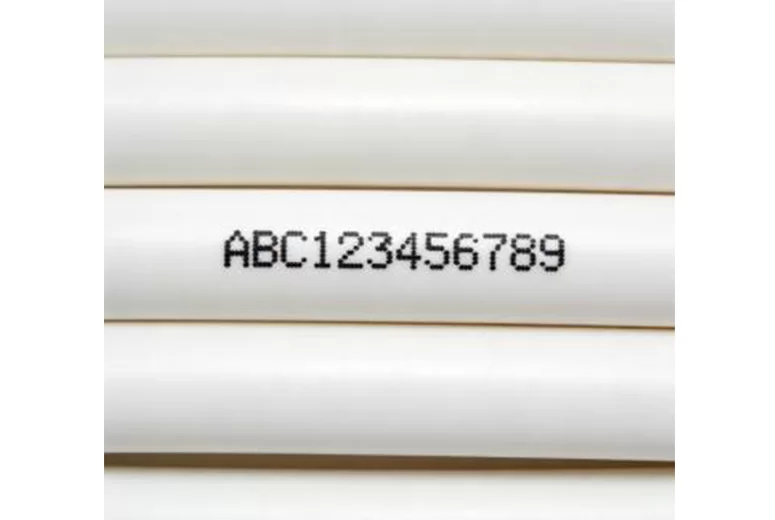
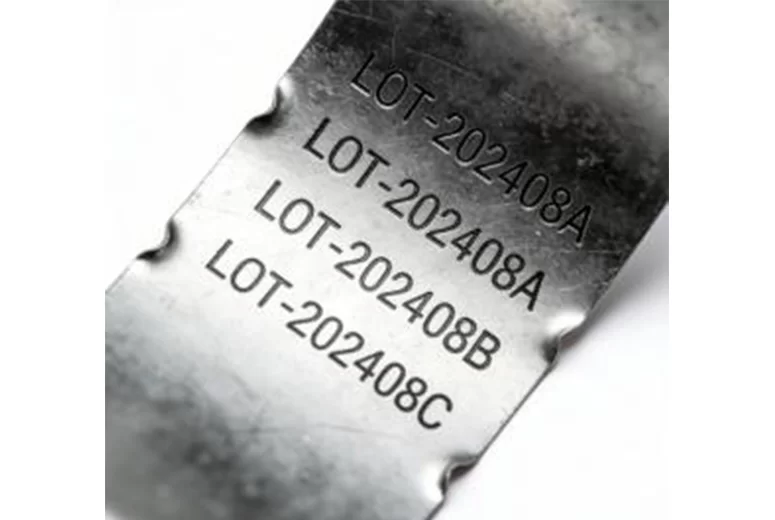
Steel and aluminum materials are commonly used in construction structures, decoration, and facades. Inkjet printers can precisely print batch numbers, production dates, and other information on these hard metal surfaces, ensuring clear and durable prints suitable for storage and transportation of building materials.
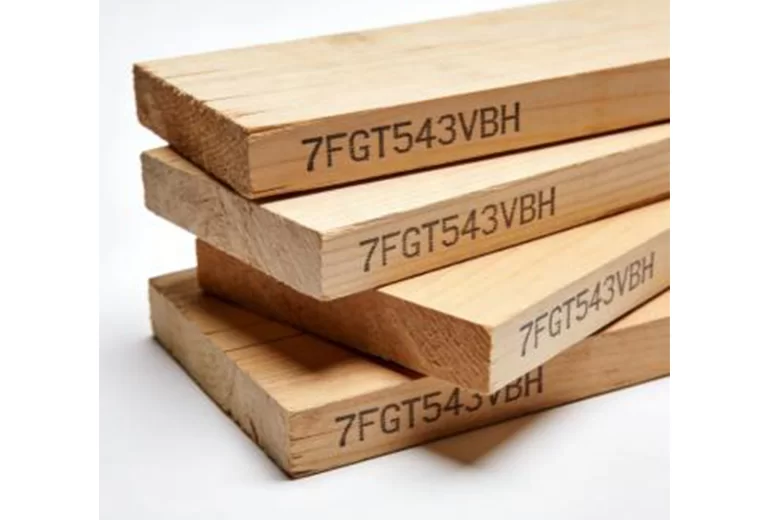
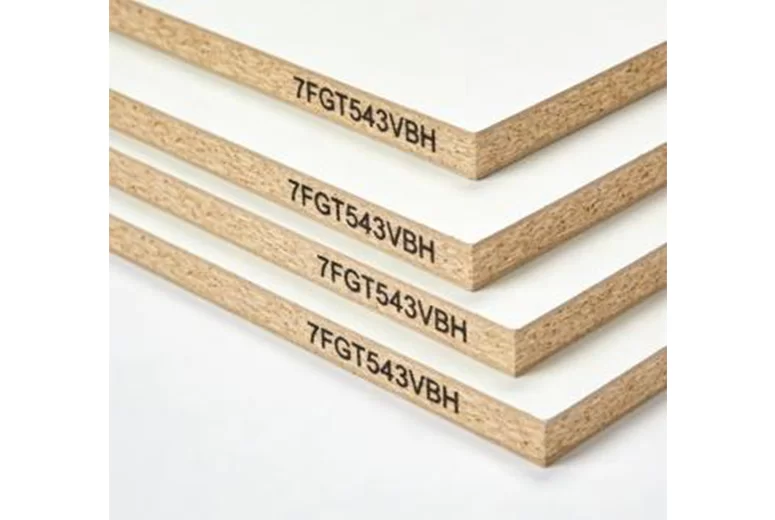
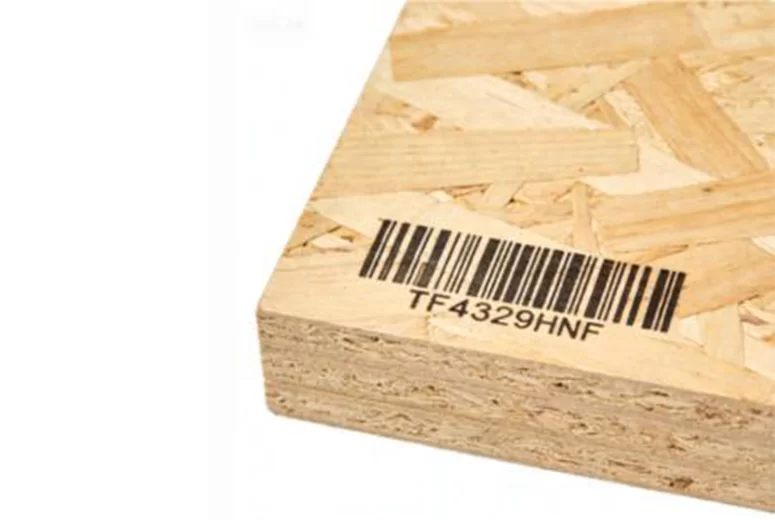
Wooden boards are widely used in the construction industry for floors, walls, and furniture production. Inkjet printers can print production dates, batch numbers, and other information on wooden surfaces, ensuring traceability and quality control of the wood.